
Why Safety Is Not Optional on Any Construction Site in Kenya
If you’ve ever passed by a construction site in Kenya, you’ve probably noticed something concerning:
Workers without helmets.
No visible safety signage.
Open trenches with no barriers.
And yet, construction continues.
Many developers assume safety is something “optional” — something that slows down work or adds unnecessary cost.
But the reality is very different.
Construction safety is not just a legal requirement — it’s a direct reflection of professionalism, project quality, and long-term cost control.
Construction safety refers to the systems and practices put in place to:
- Protect workers from injury
- Protect the public from site hazards
- Ensure safe handling of materials and equipment
- Maintain order and control on site
It includes things like:
- Personal protective equipment (PPE)
- Proper scaffolding
- Site signage and barriers
- Safe electrical installations
- Supervision and training
The Biggest Assumption: “Safety Slows Down the Project”
This is one of the most common misconceptions.
Some contractors believe:
- Safety measures reduce speed
- PPE is uncomfortable and unnecessary
- Skilled workers don’t need supervision
In reality:
Unsafe sites are more likely to experience delays due to accidents, disruptions, and legal issues.
A single accident can stop a project for days — or permanently.
The Fear Most Developers Don’t Talk About
Many clients worry about:
“What happens if someone gets injured on my site?”
This is a very real concern.
Without proper safety measures:
- The developer may be held responsible
- The project may be stopped by authorities
- Medical and legal costs can arise
- Reputation damage can affect future opportunities
Safety is not just about workers — it’s also about protecting the client and the investment.
Common Safety Risks on Kenyan Construction Sites
Some of the most frequent hazards include:
- Falling from heights (roofing, scaffolding)
- Injuries from tools and machinery
- Electrical shocks
- Collapsing trenches or structures
- Exposure to dust and hazardous materials
Many of these risks are preventable with basic safety practices.
What Does Safety Actually Cost?
This is where many decisions go wrong.
Some developers try to “save money” by cutting safety costs.
But consider this:
Cost of Safety Measures
- Helmets, boots, reflective jackets
- Site signage and barriers
- Basic training and supervision
These are relatively low-cost investments.
Cost of Ignoring Safety
- Work stoppages
- Medical expenses
- Legal liabilities
- Project delays
- Rework due to accidents
The cost of an accident is always higher than the cost of prevention.
What Do Kenyan Regulations Require?
Construction safety is not optional under Kenyan law.
Projects must comply with guidelines from:
National Construction Authority
Ensures contractors follow proper construction standards and safety practices.
Directorate of Occupational Safety and Health Services (DOSHS)
Regulates workplace safety and worker protection.
County Governments
Can enforce site safety compliance and issue stop orders.
Failure to comply can result in:
- Fines
- Site closure
- Legal action
What Does a Safe Construction Site Look Like?
A professionally managed site should have:
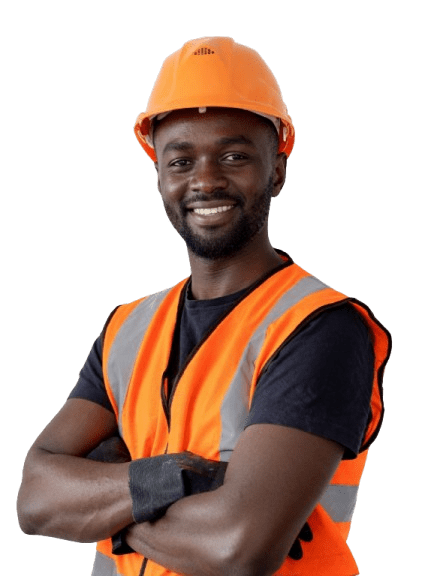
- Workers wearing helmets, boots, and reflective gear
- Clearly marked hazardous areas
- Proper scaffolding and fall protection
- Controlled access to the site
- Organized storage of materials
- Supervision by qualified personnel
You should be able to walk onto a site and immediately tell:
“This project is under control.”
How Do You Know If Your Contractor Takes Safety Seriously?
Ask simple questions:
- Do all workers have PPE?
- Is there a site supervisor present at all times?
- Are there safety briefings or guidelines?
- How are risks handled on site?
If safety is treated casually, that usually reflects overall poor project management.
The Smart Approach for Kenyan Developers
The best projects are not just fast or cheap — they are well-managed.
Safety is part of that management.
A safe site:
- Runs more smoothly
- Has fewer interruptions
- Builds confidence with clients and stakeholders
- Protects both workers and investment
Final Thoughts
In construction, safety is often only noticed when something goes wrong.
But the most successful projects are the ones where nothing goes wrong — because safety was taken seriously from the start.
Safety is not an extra cost.
It is part of building correctly.
Need a Professional Team That Prioritizes Safety?
At Grantos Limited, safety is built into every stage of our projects — from planning to execution.
We ensure:
- Proper site organization
- Full compliance with regulations
- Protection of both workers and clients
Because a well-built project starts with a well-managed, safe environment.
Grantos Limited
🌐 www.grantoslimited.co.ke
📧 info@grantoslimited.co.ke
📞 +254 727 558 163