Septic Tank vs Sewer Line: What Should You Choose?
When planning a home or commercial development in Kenya, one question often comes up late — sometimes too late:
“How will we handle wastewater?”
Most people focus on the building itself — foundation, walls, roofing — but forget that wastewater management is just as critical.
The two main options available are:
- Septic tank systems
- Sewer line connections
Each has its place. But choosing the wrong one can lead to health risks, environmental issues, and long-term costs.
Let’s break it down in a practical, Kenyan context.
What’s the Difference Between a Septic Tank and a Sewer Line?


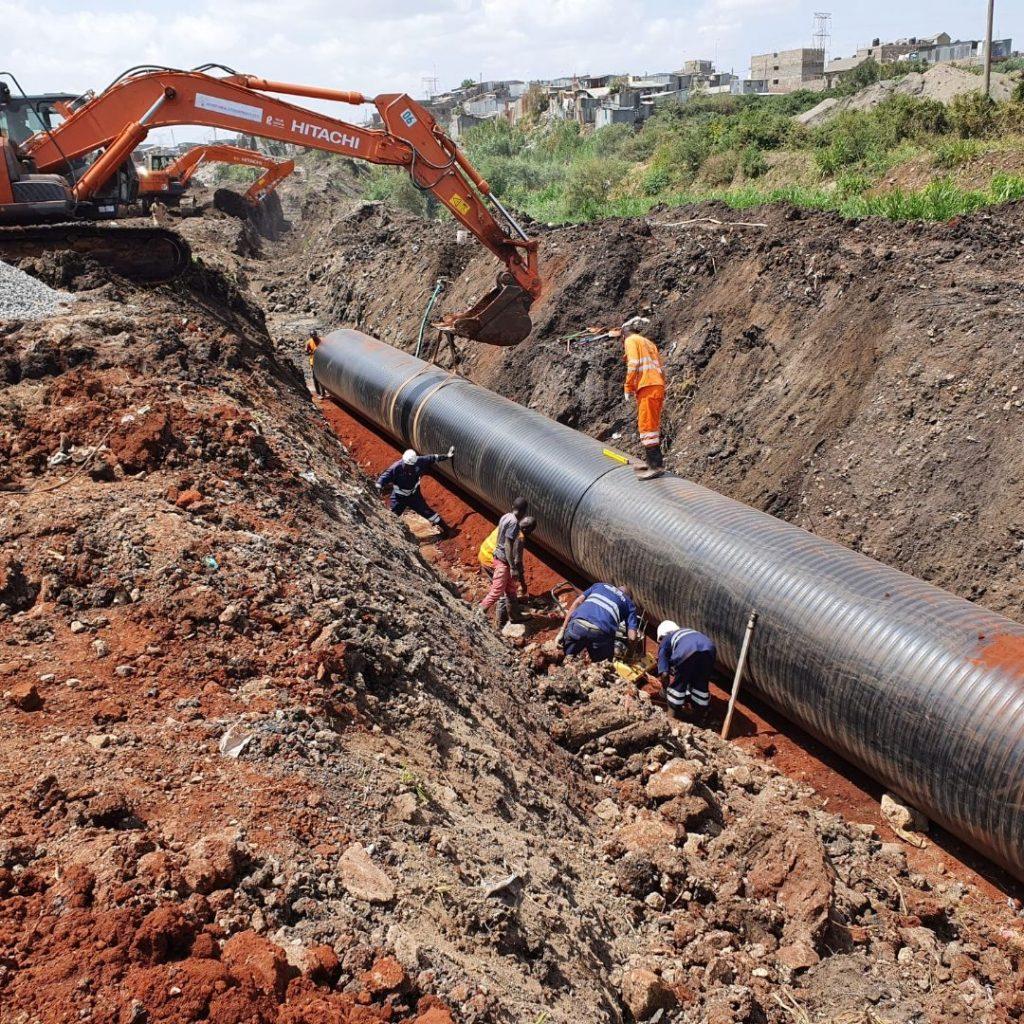

Septic Tank System
This is an on-site wastewater treatment system.
- Waste flows into an underground tank
- Solids settle at the bottom
- Liquid flows into a soak pit or drainage field
Sewer Line System
This connects your property to a centralized sewer network.
- Wastewater is transported away
- Treatment happens at a municipal facility
The Biggest Assumption: “Sewer Is Always Better”
Many people believe that:
“If there’s a sewer line, that’s automatically the best option.”
Not always.
While sewer systems are convenient, they:
- Are not available in all areas
- Can be expensive to connect
- May have capacity or maintenance issues
On the other hand, septic systems:
- Offer independence
- Work well in areas without sewer infrastructure
- Can be very effective when properly designed
The Biggest Fear: “What If It Smells or Fails?”
This is a common concern, especially with septic systems.
Homeowners worry about:
- Bad smells
- Overflow
- Contamination
Here’s the truth:
Most septic problems are caused by poor design, poor construction, or lack of maintenance — not the system itself.
A properly built septic system should:
- Be odor-free
- Operate silently
- Last for many years
When Should You Choose a Septic Tank?
Septic systems are ideal when:
- Your property is in rural or peri-urban areas
- There is no access to a sewer line
- You want full control over your wastewater system
Advantages
- Lower initial setup compared to long sewer connections
- Independence from municipal systems
- Suitable for standalone homes and small developments
Limitations
- Requires space (for tank and soak pit)
- Needs periodic emptying
- Must be properly designed to avoid contamination
When Should You Choose a Sewer Line?
Sewer connections make sense when:
- You are in an urban area with existing sewer infrastructure
- The connection point is accessible and affordable
- You want minimal maintenance responsibility
Advantages
- No need for on-site wastewater treatment
- Reduced maintenance at household level
- Suitable for high-density developments
Limitations
- Connection fees can be high
- Monthly or usage charges may apply
- Dependent on municipal system performance
Cost Comparison in Kenya
Septic Tank System
Costs depend on:
- Tank size
- Soil type
- Excavation requirements
- Drainage design
Typical costs include:
- Construction of tank
- Soak pit or drainage field
- Piping and installation
Sewer Line Connection
Costs may include:
- Connection fees
- Trenching and piping to the main line
- Approval and inspection costs
In some cases:
Connecting to a sewer line can cost as much as or more than building a septic system, especially if the main line is far.
The Hidden Factor: Soil and Drainage
For septic systems, soil conditions are critical.
- Good drainage soil (sandy/loamy) → Works well
- Clay or black cotton soil → Requires special design
- High water table areas → Higher risk of failure
Ignoring soil conditions is one of the biggest causes of septic system problems in Kenya.
What Do Regulations Say in Kenya?
Wastewater systems must comply with government standards.
County Government Approval
Wastewater design must be included in building plans.
National Environment Management Authority
Ensures proper environmental protection and waste handling.
National Construction Authority
Oversees construction standards and compliance.
Non-compliance can result in:
- Rejection of building plans
- Penalties
- Environmental violations
Common Mistakes to Avoid
Whether septic or sewer, avoid these:
- Undersized septic tanks
- Poorly constructed soak pits
- Connecting to sewer without proper approvals
- Ignoring maintenance
- Poor pipe layout and slope
These mistakes often lead to:
- Blockages
- Backflow
- Health hazards
The Smart Approach for Kenyan Property Owners
Don’t choose based on assumption — choose based on:
- Location
- Soil conditions
- Budget
- Long-term maintenance preferences
- Availability of infrastructure
Final Thoughts
There is no universally “better” option.
The best wastewater system is the one that is properly designed for your site and maintained correctly.
A well-built septic system can serve you for years.
A properly connected sewer line can offer convenience and efficiency.
The key is making the right decision from the start.
Need Help Choosing the Right System?
At Grantos Limited, we help you design and implement wastewater solutions that are safe, compliant, and suited to your property.
From planning to execution, we ensure your system works efficiently — now and in the future.
Grantos Limited
🌐 www.grantoslimited.co.ke
📧 info@grantoslimited.co.ke
📞 +254 727 558 163