Mabati vs Tile Roofing in Kenya: What’s Best for Your Budget?
If you’re planning to build a home in Kenya, one of the biggest decisions you’ll face is:
“Should I go for mabati or tile roofing?”
It’s a question that comes up in almost every construction project — and for good reason.
Roofing is not just about covering your house. It affects:
- Your total construction cost
- The appearance of your home
- Long-term maintenance
- Comfort inside the house
And yet, many homeowners make this decision based on assumptions, peer pressure, or trends, rather than facts.
Let’s break it down properly.
What’s the Real Difference Between Mabati and Tile Roofing?
At a basic level:
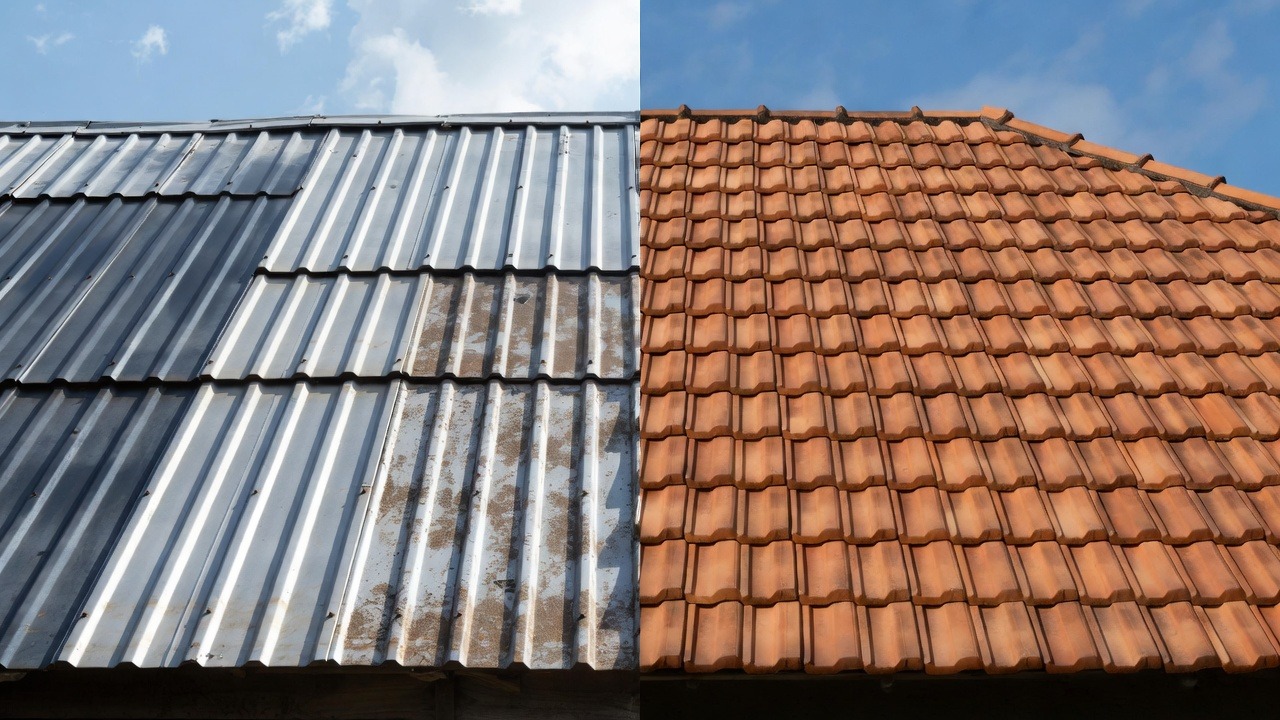
- Mabati roofing refers to corrugated or flat metal sheets (iron sheets), including modern coated options.
- Tile roofing refers to stone-coated tiles or clay/concrete tiles, designed to mimic premium roofing styles.
Both serve the same purpose — but they perform very differently.
The Biggest Assumption: “Tiles Are Better Than Mabati”
This is one of the most common beliefs — and it’s not entirely true.
Tiles are often seen as:
- More beautiful
- More durable
- Higher class
While mabati is seen as:
- Cheaper
- Noisy
- Less attractive
But modern construction has changed things significantly.
Today’s mabati options include:
- Coated sheets
- Textured finishes
- Colored designs
The real question is not which is “better” — but which is right for your budget and needs.
The Fear Most Homeowners Have
Most clients worry about two things:
“Will mabati make my house too hot or noisy?”
“Will tiles be too expensive to maintain?”
Both concerns are valid — and both depend on how the roofing is installed.
Poor installation — not the material — is often the real problem.
Cost Comparison: Mabati vs Tiles in Kenya
Let’s talk about what most people really care about — cost.
Mabati Roofing
Generally:
- Lower material cost
- Faster installation
- Lower labour costs
Tile Roofing
Typically:
- Higher upfront cost
- Requires stronger roof structure
- Higher labour and installation cost
In many Kenyan residential projects:
- Mabati roofing is significantly more budget-friendly
- Tile roofing can cost 1.5x to 2x more, depending on quality and design
But cost alone shouldn’t be the only deciding factor.
Durability and Maintenance
Mabati
- Can last many years if properly coated
- May be prone to rust if low-quality sheets are used
- Requires minimal maintenance when installed correctly
Tiles
- Highly durable
- Resistant to corrosion
- Individual tiles can be replaced if damaged
However:
Tile roofs are heavier and require stronger structural support — which increases construction cost.
Heat and Noise: The Real Truth
Mabati Roofing
- Can be noisy during heavy rain
- Can trap heat if poorly insulated
Tile Roofing
- Naturally better at reducing heat
- Quieter during rainfall
But here’s what many people don’t realize:
Proper insulation, ceiling boards, and roofing design can significantly reduce heat and noise in mabati roofing.
So again, the issue is often execution, not material.
Aesthetic Appeal (How Your House Looks)
Mabati
- Modern designs available
- Clean, simple finish
- Wide range of colors
Tiles
- Premium, high-end appearance
- Adds visual weight and elegance
- Common in high-value developments
If your goal is a luxury finish, tiles often stand out more.
What About Structural Requirements?
This is where many people get surprised.
Mabati Roofing
- Lightweight
- Requires less structural support
- Reduces overall construction cost
Tile Roofing
- Heavy
- Requires stronger trusses and support
- Increases timber/steel requirements
This hidden cost is often overlooked during budgeting.
What Do Regulations Say in Kenya?
Roofing choices must align with approved building plans.
You’ll need:
- County-approved architectural drawings
- Structural design compatibility
- Compliance with **National Construction Authority standards
In some developments (especially estates), roofing types may be restricted for uniformity.
How Do You Choose the Right Option?
Ask yourself:
- What is my total construction budget?
- Am I building for long-term living or resale?
- Do I prioritize cost, aesthetics, or durability?
- Is my structure designed to support heavier roofing?
There’s no wrong answer — only the right fit for your situation.
The Smart Approach for Kenyan Homeowners
Choose mabati if you want:
- Cost efficiency
- Faster construction
- Reliable performance with proper installation
Choose tiles if you want:
- Premium aesthetics
- Better natural insulation
- Long-term visual appeal
Final Thoughts
The mabati vs tile debate is not about which is superior.
It’s about making an informed decision based on your budget, design, and long-term goals.
A well-installed mabati roof will always outperform a poorly installed tile roof — and vice versa.
In construction, quality execution always wins.
Need Help Choosing the Right Roofing?
At Grantos Limited, we guide clients through roofing decisions that balance cost, durability, and design.
From structural planning to final installation, we ensure your roof is built to last.
Grantos Limited
🌐 www.grantoslimited.co.ke
📧 info@grantoslimited.co.ke
📞 +254 727 558 163